Why Routine Blood Tests Matter for Senior Dogs
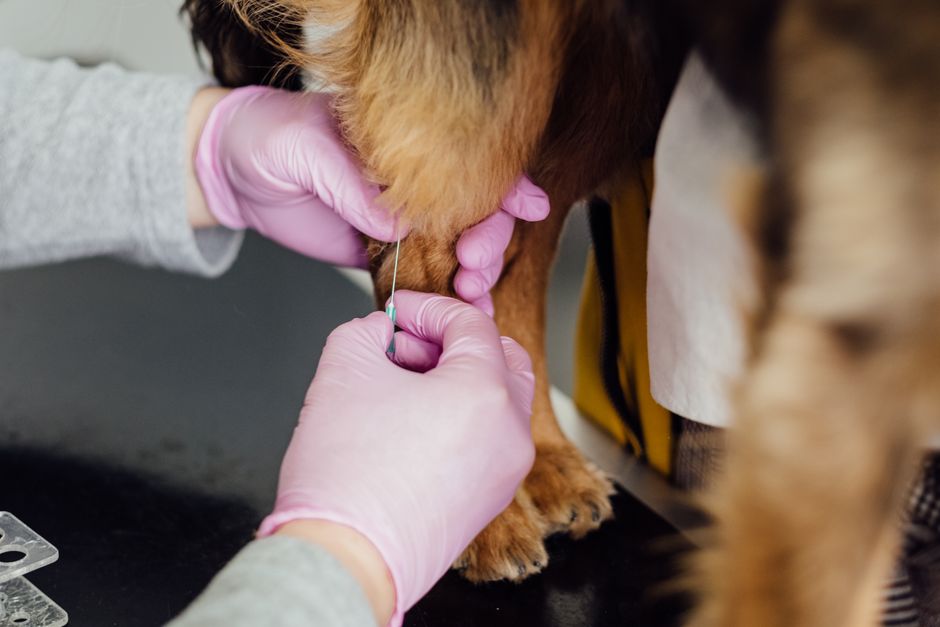
As dogs age, their bodies undergo gradual changes that may not be immediately visible to owners. Routine blood tests, often recommended during annual checkups for senior dogs, provide veterinarians with a detailed view of internal organ function. These tests can help identify early signs of conditions such as kidney disease, diabetes, and thyroid problems before clinical symptoms appear. Understanding what these blood panels evaluate can help owners appreciate why they are an important part of preventive care for older pets.
Blood tests for senior dogs typically involve a complete blood count and a serum biochemistry profile. These measurements assess red and white blood cells, platelets, enzymes, and waste products that reflect the health of organs like the kidneys, liver, and pancreas. Regular monitoring allows veterinarians to establish baseline values for each individual dog and track changes over time. At Happy Paws, veterinarians often recommend annual blood work for dogs starting around age seven, though the timing may vary depending on breed, size, and overall health history.
While blood tests alone do not provide a complete picture of a dog’s health, they offer a noninvasive method for gathering information that might otherwise go unnoticed. When combined with a physical examination and the owner’s observations, these results help guide decisions about further diagnostics or adjustments to care routines. The goal is to support the dog’s quality of life through informed, proactive management.
Understanding the Importance of Routine Blood Tests for Older Dogs
As dogs enter their senior years, the risk of developing chronic conditions increases. The aging process affects every system in the body, and early detection of abnormalities can allow for timely interventions that may slow disease progression. Routine blood tests serve as a screening tool, offering a snapshot of metabolic and cellular health. They are particularly valuable because many age-related diseases develop silently, with few outward signs until they become advanced.
For example, kidney function may decline gradually over months or years before symptoms like increased thirst or weight loss become noticeable. Similarly, early stage diabetes can exist without obvious signs, especially if the dog is less active. By measuring specific biomarkers, veterinarians can identify values that fall outside expected ranges and investigate further. This process emphasizes transparency—owners are informed about findings and the rationale behind any recommended next steps.
It is important to note that routine blood tests do not guarantee that a disease will be caught in time, nor do they prevent illness from occurring. Instead, they provide a point of reference that helps veterinarians and owners make decisions based on current data. The context of each dog’s lifestyle, breed predispositions, and previous health records also plays a role in interpreting results.
Key Components of a Senior Dog Blood Panel
A standard blood panel for senior dogs typically includes a complete blood count and a biochemistry profile. The complete blood count measures red blood cells, white blood cells, and platelets. Red blood cell levels can indicate anemia or dehydration, while white blood cell counts may signal inflammation or infection. Platelet levels are important for clotting function. These values help paint a broad picture of the dog’s overall health and immune status.
The biochemistry profile assesses organ function through enzymes and waste products. Key markers include blood urea nitrogen and creatinine for kidney evaluation, alanine aminotransferase and alkaline phosphatase for liver health, and glucose for blood sugar regulation. Additional tests may include total protein, albumin, calcium, phosphorus, and electrolytes. Each parameter has a reference range that varies slightly between laboratories, so results are always interpreted in the context of the individual dog.
Thyroid function is often assessed through the measurement of total thyroxine, or T4, which helps identify hypothyroidism or hyperthyroidism. In some cases, more specialized tests such as thyroid stimulating hormone or free T4 may be recommended if the initial results are borderline. The selection of tests can be tailored based on the dog’s history and any current concerns, but a comprehensive panel offers a wide view that supports early detection.
What Veterinarians Look for in Kidney and Liver Function
Kidney function is one of the most commonly evaluated areas in senior dog blood tests. The kidneys filter waste products from the blood, and as they age, their filtering capacity can diminish. Elevated blood urea nitrogen and creatinine levels may suggest reduced kidney function, but these values can also be influenced by factors like hydration status, diet, and muscle mass. Veterinarians consider the ratio between these two markers and may recommend additional tests such as urine specific gravity or symmetric dimethylarginine for a more sensitive assessment.
Liver function is evaluated through enzymes such as alanine aminotransferase and alkaline phosphatase, as well as bilirubin and bile acids. Elevated liver enzymes can indicate inflammation, damage, or other changes in the liver tissue. However, mild elevations are not uncommon in older dogs and may not always signify serious disease. The pattern of elevation and the presence of other abnormal values help guide whether further imaging or a bile acid test is warranted. Regular monitoring allows veterinarians to track whether these values remain stable or trend upward over time.
It is important to understand that abnormal results do not necessarily mean a dog has kidney or liver disease. Transient fluctuations can occur due to factors like stress, recent meals, or concurrent infections. Veterinarians use the entire clinical picture—including physical exam findings and owner reports—to determine whether a change is significant enough to warrant further investigation. This cautious, stepwise approach avoids unnecessary procedures while remaining attentive to potential issues.
Detecting Diabetes and Thyroid Imbalances Through Blood Work
Diabetes mellitus is a common endocrine disorder in older dogs, and routine blood tests can detect elevated glucose levels that may indicate its presence. A persistently high fasting blood glucose, along with clinical signs such as increased thirst, urination, and weight loss, raises suspicion for diabetes. However, stress-induced hyperglycemia can also cause temporary spikes, so veterinarians often repeat the test or measure fructosamine, which reflects average blood sugar over the past two to three weeks.
Thyroid imbalances are another frequent concern in senior dogs. Hypothyroidism, the more common condition, results from an underactive thyroid gland and can cause weight gain, lethargy, and skin changes. Blood tests measuring total T4 can help identify low thyroid activity, though other factors like concurrent illness or certain medications can suppress T4 levels. If results are ambiguous, additional tests such as free T4 or thyroid stimulating hormone may provide clarity. Hyperthyroidism is less common in dogs than in cats but can also be detected through elevated T4 levels.
Early detection of these endocrine disorders can be beneficial because it allows for management strategies that may help maintain stability. For example, a dog diagnosed with diabetes can begin insulin therapy and dietary adjustments, while a hypothyroid dog may respond well to daily thyroid hormone replacement. The timing and approach depend on the individual case, and owners are encouraged to discuss all findings with their veterinarian to understand the options available.
How Blood Tests Support a Comprehensive Wellness Plan
Routine blood tests are most effective when viewed as part of a broader wellness strategy that includes regular physical exams, dental care, weight management, and appropriate vaccinations. For senior dogs, the frequency of blood work may increase to every six months if underlying conditions are present or if the dog is on long-term medication that affects organ function. This proactive monitoring helps veterinarians adjust treatment plans as needed.
Blood test results can also inform decisions about diet, supplements, and lifestyle modifications. For instance, if kidney values begin to trend upward, a veterinarian might recommend a renal support diet that is lower in phosphorus and protein. If liver enzymes are elevated, certain medications may be avoided or used with caution. These adjustments are made collaboratively with the owner, ensuring that the dog’s quality of life remains a priority throughout the process.
It is essential to recognize that no single test provides all the answers. Blood work is a tool that, when used consistently and interpreted in context, contributes to a fuller understanding of a senior dog’s health. Owners who have questions about their dog’s blood test results are encouraged to ask their veterinarian for explanations of what each value means and how it relates to their pet’s overall condition. By maintaining an open dialogue, owners can feel more informed and engaged in their dog’s care journey.