Building a First Aid Kit for Dogs and Cats
When living with dogs or cats, minor injuries such as scrapes, small cuts, or insect bites can occur during daily activities or outdoor adventures. Being prepared with a well-organized first aid kit allows pet owners to address these situations promptly while maintaining a calm and controlled environment. A first aid kit does not replace professional veterinary care, but it can serve as a useful resource for initial assessment and temporary management of minor issues.
Assembling a first aid kit involves selecting items that support wound cleaning, bleeding control, and basic immobilization, as well as tools that help ensure both the pet and the handler remain safe during an incident. Each component serves a specific purpose, and understanding their intended use is part of responsible pet ownership. The following sections outline categories of items commonly included in a domestic pet first aid kit, along with explanations of their roles and practical considerations for storage and maintenance.
It is important to note that the contents of a first aid kit should be tailored to the individual pet’s size, temperament, and health history. Additionally, any treatment decisions should be made in consultation with a veterinarian, especially when the injury appears to be more than superficial.
Wound Care Supplies
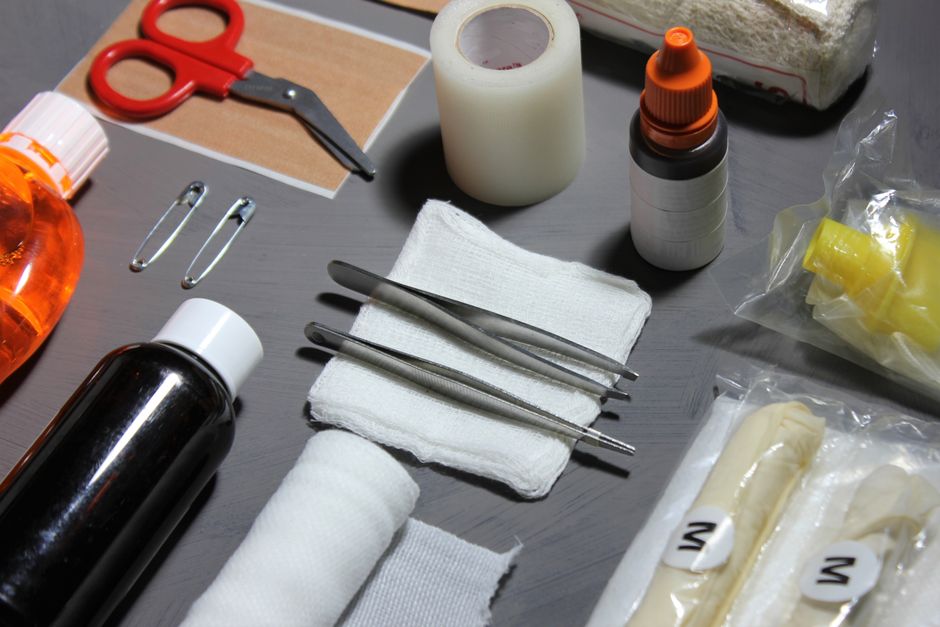
Cleaning and protecting a wound are among the first steps when a pet sustains a minor cut or abrasion. For this purpose, a first aid kit should include sterile gauze pads in various sizes, adhesive tape, and non-stick bandages. Gauze pads can be used to gently clean the area with a saline solution or to apply direct pressure to control light bleeding. Non-stick bandages help cover the wound without adhering to the surrounding fur or skin, reducing the risk of further irritation when removed.
Antiseptic wipes or solutions that are safe for animals are another important component. Products containing chlorhexidine or diluted povidone-iodine are often used because they are effective against a broad range of microorganisms while being less likely to cause tissue damage. Cotton balls or swabs may also be included for applying solutions to smaller areas. However, it is essential to avoid using hydrogen peroxide or alcohol on open wounds, as these can delay healing and cause pain. Pet owners should verify the suitability of any antiseptic with a veterinarian before adding it to the kit.
For wrapping wounds or securing bandages, elastic cohesive bandages (such as Vet Wrap) are frequently used. These bandages stick to themselves but not to the fur, making removal less stressful. Scissors with blunt tips are necessary for cutting tape, gauze, or bandage material without accidentally injuring the pet. Including a small roll of medical tape also provides additional options for securing dressings.
Tools and Safety Equipment
Beyond wound care materials, a well-prepared kit contains tools that help the handler work safely and effectively. A muzzle is one of the most important safety items, even for normally gentle pets. When an animal is in pain or frightened, even a friendly dog or cat may react defensively. A properly fitted muzzle allows the handler to examine and treat the injury without risk of being bitten. For cats, a towel or blanket can serve as a gentle restraint aid, though a soft muzzle designed for felines is also available.
Tweezers with fine tips are useful for removing splinters, thorns, or small debris from a wound or paw. A magnifying glass may help locate small foreign objects in the fur or skin. Digital thermometers designed for rectal use in pets are another valuable tool, as an abnormal body temperature can indicate infection or other health issues. It is important to have a lubricant such as petroleum jelly to ease thermometer insertion.
Additional equipment includes a pair of hemostats or needle-nose pliers for removing ticks, and a small flashlight to examine wounds in areas with poor visibility. A clean, disposable syringe without a needle can be used to flush wounds with saline solution. Some owners also include a reusable cold pack or instant cold pack to reduce swelling after an injury, though it should never be applied directly to the skin without a cloth barrier.
Medications and Topical Treatments
While a first aid kit is not a substitute for veterinary-prescribed medications, certain over-the-counter products may be appropriate for temporary use under professional guidance. Antihistamines such as diphenhydramine (Benadryl) are sometimes recommended for mild allergic reactions, such as from insect stings, but the correct dosage must be calculated based on the pet’s weight and confirmed with a veterinarian. Similarly, hydrocortisone cream can be applied sparingly to soothe minor skin irritations, provided the pet cannot lick the area.
An antibiotic ointment like triple antibiotic cream may be used on very small superficial cuts after cleaning, but only if it does not contain ingredients harmful to pets. Many veterinary professionals advise against using products containing zinc or other additives that can be toxic if ingested. Since cats are particularly sensitive to certain compounds, it is crucial to check with a veterinarian before applying any topical treatment. Including a small bottle of sterile saline solution is a safer alternative for gentle wound irrigation.
It is also worth considering whether the kit should contain activated charcoal, which is sometimes used in emergency poison control situations. However, its use should only follow immediate instructions from a veterinarian or a pet poison helpline, as improper administration can cause complications. In many cases, simply having the contact numbers for a local emergency veterinary clinic and a pet poison control center is more practical than stocking medications.
Storage and Maintenance Practices
Once assembled, a first aid kit requires periodic checks to ensure that all items remain usable and within their expiration dates. Bandages, antiseptics, and ointments can degrade over time, and expired solutions may lose effectiveness or become contaminated. It is advisable to inspect the kit every three to six months, replacing any used or expired items and restocking supplies after any incident.
The container itself should be durable, waterproof, and easily identifiable. A plastic tackle box or a dedicated zippered bag with multiple compartments helps keep items organized and accessible. The kit should be stored in a consistent location that is out of reach of pets and children but easily found by adults during an emergency. If the household includes multiple pets, it may be useful to add a small card listing each pet’s weight, relevant medical history, and the contact information of their veterinarian.
Additionally, familiarity with the contents is essential. Reading the instructions on each product beforehand and, if possible, practicing basic techniques such as applying a bandage or using a muzzle can make a significant difference in how effectively the kit is used during a stressful moment. Many veterinary clinics offer informational resources or workshops on basic first aid for pets.
Recognizing When to Use the Kit and When to Seek Veterinary Care
A first aid kit is designed for minor, non-life-threatening injuries. Examples include small cuts that do not bleed heavily, superficial scrapes, insect stings without signs of anaphylaxis, or minor paw pad abrasions. In these situations, cleaning the wound, applying a protective covering, and monitoring the pet for changes may be sufficient. However, any wound that continues to bleed after several minutes of pressure, appears deep, or is located near the eyes, mouth, or genitals should be evaluated by a veterinarian immediately.
Signs such as difficulty breathing, swelling of the face or throat, vomiting, diarrhea, limping that does not improve, or behavioral changes like lethargy or aggression indicate a need for professional care regardless of what the first aid kit contains. Similarly, if a foreign object is embedded deeply or a fracture is suspected, handling the situation beyond basic stabilization is best left to a veterinary team. The first aid kit serves as a bridge between the moment of injury and professional treatment, not as a solution for serious conditions.
By understanding the limitations and proper use of each item, pet owners can approach minor incidents with a clearer sense of what steps to take. Maintaining a first aid kit is one part of a broader approach to pet safety that also includes regular veterinary checkups, preventive care, and awareness of the environment in which the pet lives and plays.